

Real Clients.
Real Offers.
Software Engineering Accelerator reviews, in the students' own words. 50+ internship, new grad and international success stories, each with the video, the offer and the comp. Our Trustpilot reviews are linked at the bottom, along with a free call if you want to talk through your own situation.
Pick the section that sounds most like you
Software Engineering Internships
Internships are the fastest way into this career. These students went from zero interviews to internship offers at Amazon, Microsoft, LinkedIn, Capital One and more.


“I had already applied to Amazon and finished the online assessment before joining, but I was weak on behavioral questions and went silent while coding. The mock interviews with the coaches fixed both, and I turned my Amazon interview into a fall internship offer.”
She had applied to Amazon and finished the online assessment in the spring, before she found the program, using her old resume. Nothing came back, so she assumed it was a no. She was weak at behavioral questions and went silent when coding.
Mock interviews with Peter and Yvonne fixed both. Peter had her talk through her code out loud and break the problem down before writing any. Yvonne gave her the five Leadership Principles that matter most, and she matched them to three core stories and read them every day for a week.
Umamah turned an Amazon in-person interview into a fall internship offer in Herndon, Virginia, running mid-August to December. Afterwards, Amazon’s team told her they liked that she talked through every line of code.


"I had sent 500 to 600 applications across two seasons and got one interview at most. After a few rounds of coaching on my resume, I started getting online assessments and final rounds, and I landed a Wells Fargo internship for summer 2027. It’s been the best investment of my life.”
He was a sophomore at UTD with a basic resume, and he spammed 500 to 600 applications over two recruiting seasons. He did no networking or referrals and very little LeetCode, and got one interview at most. He felt hopeless and didn’t know what to focus on. His only summer result came from a startup founder cold-messaging him on LinkedIn. He also froze his membership for a couple of months during school and then locked in over the summer with a set daily block for applications, LeetCode and referrals.
Coaches rebuilt his resume, and he started hearing back, with online assessment invites and final rounds. Once he locked in over the summer, he set aside time every day for applications, LeetCode and LinkedIn referrals.
Joey went from 500 to 600 applications and almost no interviews to a Wells Fargo internship for summer 2027 in Irving, Texas, after about five months of active work. It was his only offer, and he was hoping for anything at $20 to $25 an hour.


"I was one of Aman's first students. Before joining the Accelerator, I had submitted over 200 applications and didn't get a single interview. After completing the program and applying the Accelerator framework, everything changed. I landed offers from Amazon, Boeing, Oracle, and Costco, plus more than 25 interviews. This program truly changed the game for me and was 100% worth it."
One of Aman's very first students, joined as a sophomore. Applied since mid-2023, a couple hundred applications, almost no responses, by the time he joined, the tally was 200 applications and zero interviews.
Got an Amazon interview request in his first week in the program. Landed two offers (Costco and Boeing) within two months. The next cycle, he shifted from cold applying to referrals and rebuilt his resume from scratch, landing 25 interviews at companies including Meta, Amazon, Chewy, and AT&T, and two offers: Amazon and Arista.
The Amazon internship turned into a verbal return offer before it even ended, no second job search required. From 200 applications and zero interviews to a $182k offer, on the team he already proved himself on.


I feel like the knowledge I gained not only helped me in this cycle, but it'll help me in the future as well. I'm not just investing in one summer, I'm investing in many other interviews and many other opportunities to come.
Going into sophomore year at UW-Madison with zero internship experience. One previous interview, from a family connection at Cisco, which she went into completely unprepared. No structure, no system and no real sense of how the process worked.
Resume rebuilt from scratch to actually market her experience. LinkedIn overhauled. Referral outreach that got her contacts at Apple and direct connections at Microsoft. A behavioral prep worksheet she used before every single interview without fail.
Interviews at Meta, Apple, Amazon, and Microsoft. Accepted the Microsoft offer, $51 an hour plus a $10,000 housing stipend in Seattle. She's not treating this as a one-off win. Same resume, LinkedIn, and behavioral prep that got her three offers, she's already said it's a system she'll keep using for every interview still ahead of her, not just this one summer.


"Before the Accelerator, I'd sent ~230 applications and still wasn't getting consistent interviews. Once I stopped mass applying and focused on referrals + networking (hundreds of targeted outreaches), interviews started coming in reliably. Then I used the mock interviews to sharpen my answers fast. I ended up landing 3 internship offers, including LinkedIn (Systems & Infrastructure) at ~$70/hr + $8K relocation."
Master's student specializing in systems. Tracked every application in a spreadsheet, stopped counting around 230. Tried the "apply within seconds" strategy popularized online; it didn't work for him.
Shifted fully to referral outreach sending connection requests with a note instead of mass-applying. Roughly 80–100% of his referrals converted into interviews. Stuck with one FAANG-level mock interviewer throughout for consistency.,
3 internship offers in the same cycle (Zebra Technologies, Anduril Industries, LinkedIn), picked LinkedIn specifically because it matched his systems/infrastructure specialization.
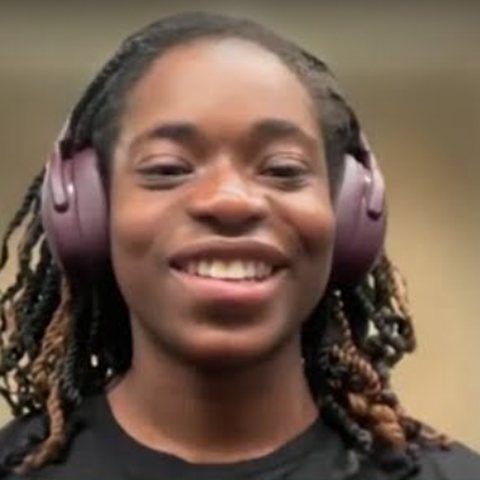
"The Accelerator got me an amazing software engineering internship at LinkedIn as my first internship. I'm so happy I enrolled!"
Junior at Carnegie Mellon, zero internships. Felt behind heading into fall recruiting, low confidence in her resume and interview readiness.
Rebuilt resume and LinkedIn, started getting recruiter inbound as a direct, visible result. Used mocks as a safe place to fail (bombed her first one) before it counted.
A LinkedIn recruiter she had messaged months earlier pulled her application from the pool, which fast-tracked her into the online assessment, a phone screen, and a final round with one technical and one hiring manager interview. It turned into her first internship ever, based in Mountain View. By the time she recorded her interview she had also reached the final round at Nextdoor and was in hiring manager matching at Netflix.


"Six months ago, I never would have believed I could land such an incredible internship offer. Before joining the Accelerator, securing a great internship felt impossible, but now I'm thrilled to have received a $20,000 offer from CarMax."
Sophomore, zero internships, resume "badly worded," no real sense of what good LeetCode prep looked like.
Followed the LinkedIn referral playbook exactly, messaged someone the day CarMax's role opened, had a referral in 2 days, interview right after. Drilled ~20 behavioral questions ahead of a 3-hour CarMax superday.
Two internship offers in one cycle, CarMax and Adobe, plus interviews at Motorola and TikTok, with zero prior paid internships on his resume going in.
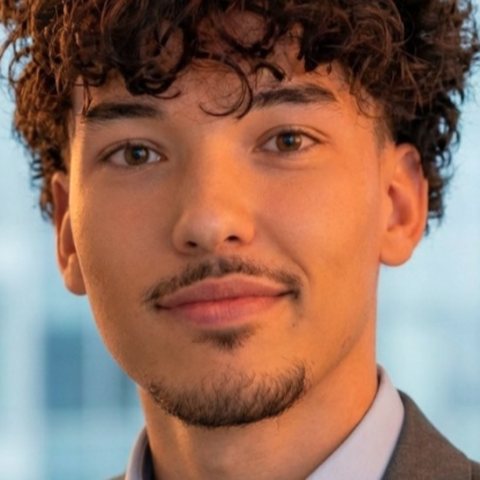

"Before the Accelerator, I had no real roadmap for landing an internship, I needed structure and accountability. The program gave me guidance on my resume, LinkedIn, and outreach, plus a "staircase" mindset: start at the bottom and work your way up. I competed in Code for Good, a selective 24-hour hackathon for nonprofits, which became my practical interview process, it led directly to a software engineering internship offer at JP Morgan, at an estimated $50/hour plus a signing bonus. If you don't have an existing network in tech, this program is worth the investment."
Never coded before college, no roadmap, no idea what steps to take to land a role.
Built a strict daily non-negotiable system: applications, LeetCode, LinkedIn outreach every morning, treated recruiting as top priority above nearly everything else.
Steven won Code for Good, a selective 24-hour hackathon where 252 people were chosen from over 20,000 applicants, and it led straight to a software engineering internship offer at JP Morgan. The event doubled as his interview, with mentors assessing how he worked in a team, and his own Trustpilot review says he also got a second offer from Cox.
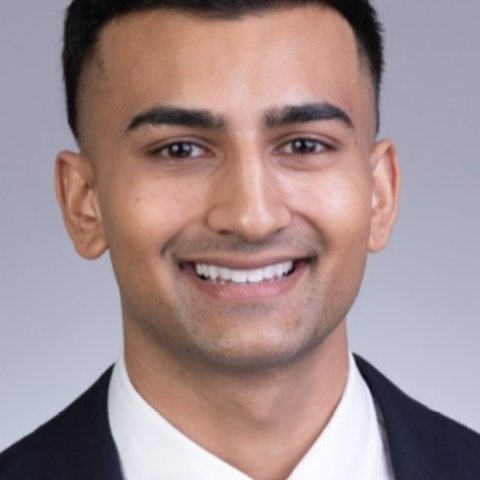

"Before joining the program, I submitted over 200 applications with 0 interviews, my resume was 2 pages long, and I just felt stuck. After joining the accelerator, I landed a $50/hr internship with one of the leading AI companies in the country as just a sophomore in college!"
Sophomore, a couple small-startup internships plus one solid one, weak LeetCode. 200 applications with a two-page resume → nothing.
Rebuilt his resume around Jake's Resume format, built 50+ referrals through the program, leaned on the peer community for motivation.
Sandeep landed an AI engineering internship on Scale AI's Gen AI team, working on improving the top AI models, and he can do it fully remote. He got there as a sophomore, after six interviews and 50+ online assessments in one cycle, following 200 applications that had produced nothing.
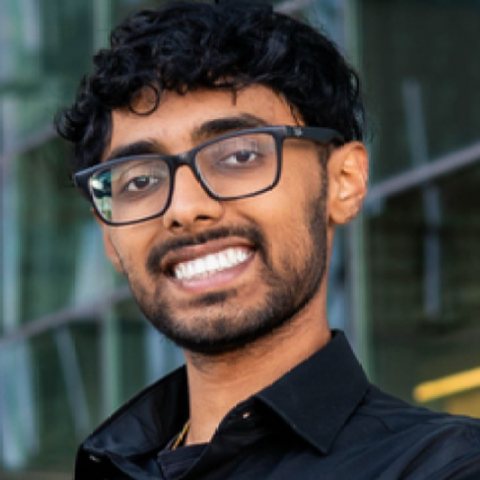

"I was frustrated and worried about being unemployed, I even hated going on LinkedIn because everyone around me was getting offers. The program gave me structure and accountability, it felt like a real roadmap with homework and coaching calls that pushed me to stay consistent. The resume + LinkedIn feedback and mock interviews made a huge difference, and I used the coaching to prep specifically for PlayStation. It happened really fast, I interviewed last Friday and got the offer in less than a week. Now I feel relieved and excited: it's PlayStation, and I love PlayStation."
Strong GPA, solid projects, still got ghosted repeatedly while classmates landed offers, the effort/results gap was the core frustration.
Followed a structured, homework-driven process instead of inconsistent on-and-off applying; used a C++ study guide specifically prepped for PlayStation's low-level stack.
Nihar landed a paid internship at PlayStation on the MLB The Show team, working on backend server and API features and game optimization. He interviewed on a Friday and had the offer before the week was out, which he said he hadn't expected.
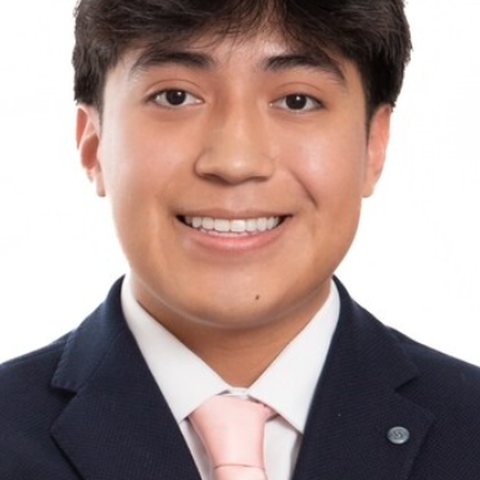

"Before the Accelerator, my internship search felt messy. I had applied to 20–30 companies without a real system, no referrals, and no clear way to improve my LeetCode or interview prep. The program helped me rebuild everything: my resume, my networking strategy, my technical prep, and my confidence through mock interviews with people from top companies. That structure changed how I approached recruiting and helped me land a Capital One software engineering internship."
Messy, unstructured search: 20–30 applications, zero referrals, inefficient random LeetCode sessions with nothing to show for it.
Rebuilt resume, real time-management discipline, technical/behavioral mocks with people from Google and Meta specifically.
Melvin landed a software engineering internship at Capital One through their TIP program, in their McLean office. It followed five final-round interviews in two to three weeks, and he accepted the offer just days after the last of them.

"In just four months with the Accelerator, I went from feeling underprepared for LeetCode and behavioral interviews to confidently landing a highly competitive Capital One software engineering internship through their Tech Incubator program. The mock interviews, behavioral frameworks, and feedback made all the difference."
Junior at University of Maryland: some LeetCode but not enough, disorganized behavioral stories, no resume feedback loop. Closest prior attempt (MyFitnessPal) didn't convert.
Structured LeetCode prep via the Pareto problem set, repeated direct feedback from real recruiters on behavioral stories.
Aadi landed a Capital One software engineering internship through their Tech Incubator, a program exclusive to his university, running from early June to early August. He secured it four months after joining and just as his junior year began, and his behavioral interview included questions he had already rehearsed.


"Through the systems in the Accelerator, I was able to land my dream internship at MongoDB. The program was absolutely worth the time and investment and I'm super happy I enrolled."
End of sophomore year with two internships already on her resume (Amdoc, Bedford Bridge). The gap wasn't experience, it was technical readiness, after a Bloomberg interview went badly on last-minute LeetCode cramming
Shifted from cramming to consistent LeetCode practice, rebuilt her resume and LinkedIn, and built a referral/outreach habit from scratch.
Passed a 3-hour MongoDB superday (algorithms, programming, and behavioral back to back) and walked away with a full offer, plus interviews in progress at Airwalix (fintech startup, reached final round) and Klaviyo.


"Before the Accelerator, I had only submitted about 15 applications and felt anxious about not landing a role that would move my career forward. Through resume reviews, office hours, and community feedback, I strengthened my materials and added a research position to my resume, the transformation was "day and night." A turning point was realizing the job search is a numbers game, not just referrals, which pushed me to nearly 300 applications. I landed a software engineering internship offer at Klaviyo in Boston for summer 2026, at an estimated $50/hour plus a $5,000 sign-on bonus, and gained real confidence marketing myself and networking on LinkedIn."
A few smaller internships, nothing significant. Only ~15 applications in by the time he joined, right as the cycle was starting.
Solidified his resume, then leaned into volume once he realized recruiting is partly a numbers game, ended up sending nearly 300 applications. Added a research role mid-program to strengthen his story.
Mathew landed a software engineering internship at Klaviyo in Boston, starting in early June 2026. He got the offer about three months after joining, and was still interviewing with several larger companies when he recorded.
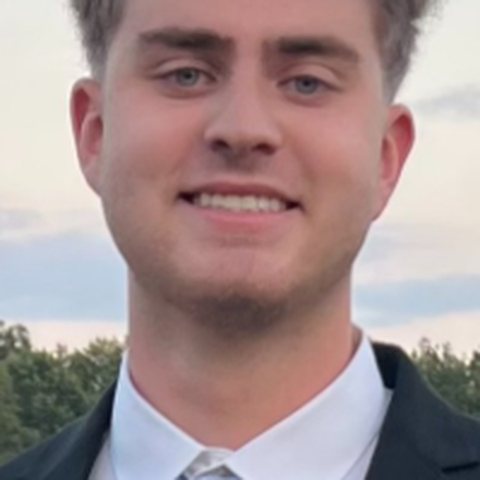

"Before the Accelerator, I had applied to around 100 internships without landing a single interview. After working with the program's recruiters and engineers to rebuild my resume and focusing on mock behavioral and technical prep, I went from zero interviews in late September to six within a few weeks, including a final round with Morgan Stanley and interviews with Macy's and CGI. I accepted a software engineering internship offer at Wells Fargo in Charlotte, $48/hour. The skills I built around resumes, strategic applying, and interviewing are ones I'll use for the rest of my career."
One unpaid nonprofit internship, ~100 applications, zero interviews as of late September.
Resume tightened directly with recruiter-coach feedback, doubled down on mock interviews, added career fairs into the mix.
Jonah landed a software engineering internship at Wells Fargo in Charlotte for summer 2026, with the offer coming the day after his interview. He had also reached the final round at Morgan Stanley, and was still getting online assessments and interviews from other companies when he recorded.


"Before the Accelerator, I didn't have a clear roadmap, no strong projects, no polished LinkedIn, and I wasn't sure how to actually stand out for internships. The program helped me turn that around step by step: improving my resume, building real projects, learning how to reach out to engineers, and getting support from coaches who knew what companies were looking for. Even after 100+ rejections, I stayed consistent with the process, and that helped me land 4 internship offers, including a NASA software engineering internship."
Freshman at a small school with zero tech mentors nearby: no projects, no LinkedIn, ~10–12 applications, hadn't touched LeetCode. One internship interview, rejected.
Deliberately built the experience he was missing (became CS club president, did externships/personal projects), stuck with LeetCode through repeated early struggles, cold-messaged NASA engineers directly since NASA has no referral system. Pushed through 100+ rejections.
Hayden landed four internship offers in one cycle, two at NASA, one at Sandia National Laboratories and a research role, and accepted a NASA software engineering internship at Marshall Space Flight Center. He'll be building a web tool that helps engineers plan their projects, and his first offer only came in mid-March, when most recruiting cycles were wrapping up.


"The Accelerator helped me master my coding & behavioral interview skills which led to an amazing $40/hour internship at Geico."
Already interning at a mid-size Fortune 500 (Rockwell Automation), but not at a target school for big tech and didn't feel fully interview-ready despite prior self-research.
Leaned hard on mock interviews, especially behavioral, the area he improved most visibly, enough to carry a 2-hour extended interview.
After a rejection from MathWorks at the final manager round, Benjamin went into Geico's technical and behavioral interview. It was meant to run about an hour and a half but stretched to nearly two when the behavioral interviewer had more questions to ask. He walked out sure the technical part hadn't gone his way and still got the offer, which was a step up from his previous internship. He's now aiming for big tech and is more selective about where he applies.
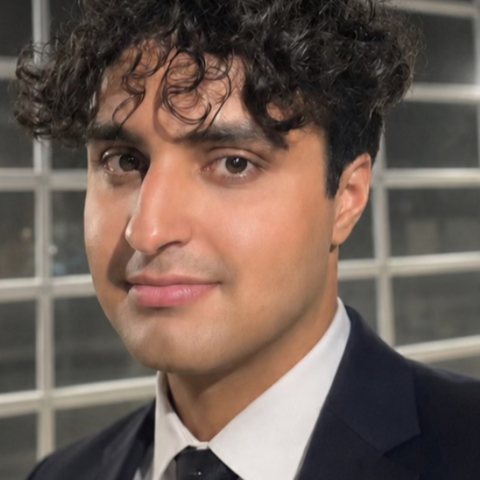

"Before the Accelerator, I was sending out hundreds of applications a month with zero interviews, I'd already tried LeetCode grinding and bootcamps with nothing to show for it. Without the program, my outcomes felt pretty random. Individualized coaching changed that: coaches could look at my specific situation and help me find my own path. Seven weeks after enrolling, I signed a 3-month software engineering contract through Tundra Technical Solutions, placed on a team working with Meta, at $35/hour, real big-tech experience I can leverage in future interviews."
Sending ~100 applications a month, zero interviews, resume "not that polished," already tried LeetCode grinding and a bootcamp with nothing to show for it.
Leaned hard on office hours, resume and job application strategy got fixed there, plus behavioral mocks aimed at understanding how interviewers actually think.
Qasim landed a three-month contract through Tundra Technical Solutions, placed on Meta's Gen AI team as a full-time Python software engineer. It came about seven weeks after he joined, after months of sending applications and getting no interviews, and it gives him big-tech experience to point to in future interviews.


"When I joined the Accelerator, I was only a sophomore with no internship experience. Through Aman's guidance, I was able to land multiple amazing internship offers!"
Sophomore at Princeton, one year in, zero internships, no grasp of the recruiting process, too scared to even start applying.
Rebuilt resume/LinkedIn, pushed through fear to complete nearly all mocks, built a real referral system from scratch.
Fatiha, a sophomore at Princeton, turned two interviews into two offers, Tyler Technologies and Fidelity, and chose Fidelity for the summer. She had no prior internship experience and only started applying seriously after joining the program.


"Before joining, I was throwing applications everywhere and hoping something would work, I sent out 583 applications and still didn't have the results I wanted. The Accelerator helped me completely change how I approached recruiting. Instead of mass applying, I learned how to be intentional: research companies, tailor my positioning, connect my skills to the role, and prepare through realistic mock interviews. That shift helped me turn one recruiting cycle into 12–15 interviews, 2 offers, and an internship."
583 applications sent via mass-applying across a full cycle, hoping volume alone would work, it barely did.
Shifted from a shotgun to a "sniper" approach, tailoring applications to specific roles and leaned hard on realistic mock interviews.
Aaryan landed an internship at Charles Schwab, one of two offers he got in a single recruiting cycle. It came from just 83 targeted applications, which turned into 12 to 15 interviews, after 583 applications the cycle before had produced only a couple.
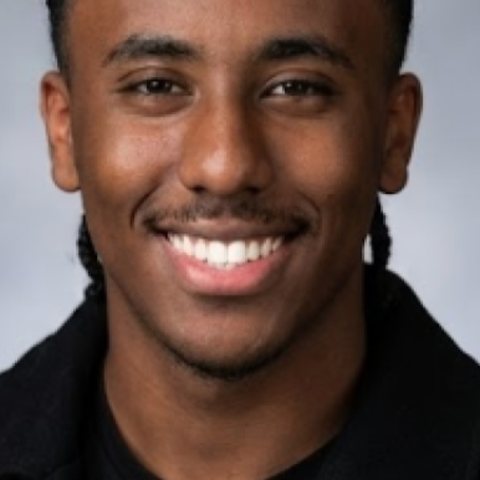

"Before the Accelerator, I had sent 100+ applications and still had no interviews or OAs. The program helped me figure out what I was missing, from rebuilding my resume and learning how to use referrals, to getting real behavioral and technical mock interview practice. I went from not knowing what steps to take to landing my first paid software engineering internship at Ericsson. The biggest change was finally having a clear path and the confidence to execute it."
Second-year CS student, 100+ applications with zero interviews/OAs as a freshman, resume he calls "really bad."
Resume overhaul, first internship secured via referral, single 30-min combined technical/behavioral interview.
Caleb landed a software engineering internship at Ericsson, focused on test automation, after a referral led to a single 30-minute technical and behavioral interview. The offer came about three weeks later, alongside a second offer he would have taken otherwise, and it was his first paid internship.
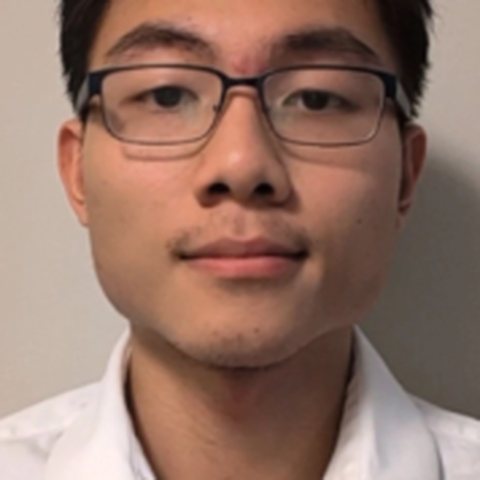

"As a sophomore at UCF and a member of the Army Reserves, I wasn't sure my background fit the traditional software engineering path, my parents were skeptical too. MITRE rejected me twice before a third interview came through, and I almost removed my Army Reserves experience from my resume before applying. Yvonne stopped me, that experience is likely what got me the offer. I start as a Software Engineering Intern at MITRE Corporation this summer at $28/hour. Doing it on your own just takes longer to learn."
Sophomore at UCF, member of the Army Reserves, unsure his background fit the traditional SWE path — parents were skeptical too. MITRE rejected him twice.
Almost removed his Army Reserves experience from his resume before applying, was talked out of it, and that experience is likely what landed the offer.
Ryan landed a software engineering internship at MITRE Corporation, starting this summer, on a third interview after the company had already turned him down twice. He's a sophomore at UCF and nearly cut his Army Reserves experience from his resume, which he believes is what got him the offer.


"As a freshman, I didn't really understand how recruiting worked, I was applying without a real system and going into interviews blind. The Accelerator helped me build the foundation early: improving my resume and LinkedIn, learning how to reach out to alumni, and building around 60 referrals. Even starting seriously in March, I was able to land my first software engineering internship at $28/hr. Now I have both the offer and a system I can keep using every recruiting cycle."
Harvard freshman, no formal internships, didn't understand the recruiting process at all, drawn in partly by the money-back guarantee.
Built LinkedIn from nothing, ~60 referrals with an ~80% response rate, technical mocks that scaled up in difficulty over time.
James landed a software engineering in test internship at Impinge, running for almost the whole summer, after interviewing at a whole bunch of places. He got it in mid-March, at the tail end of spring break, as a first-year at Harvard with no formal internships before it.
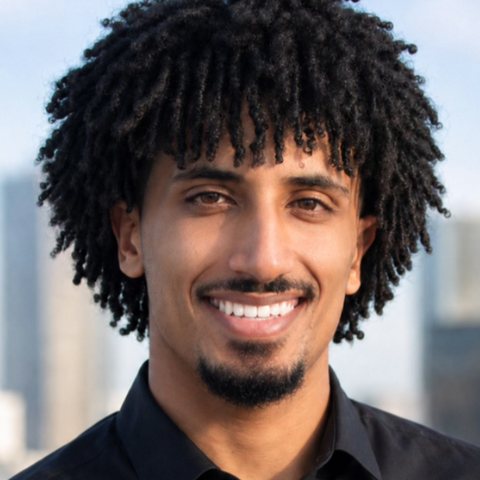

"The Accelerator changed my life. I can confidently say that I would have never landed my internship without it, and joining was one of the best decisions I've ever made"
Just finished his sophomore year. Only experience was an unpaid IBM fellowship, no paid or unpaid software engineering internships. Was purely cold-applying with no system, and it wasn't getting him anywhere.
Built a resume and LinkedIn from scratch in week one, self-prepped behaviorals using the video modules, and researched past interns' actual questions ahead of the technical round, which paid off directly
Cold-applied, no referral, no connections and still walked away with the offer. Buffalo-based internship with relocation and nearby housing sorted through a college partnership.
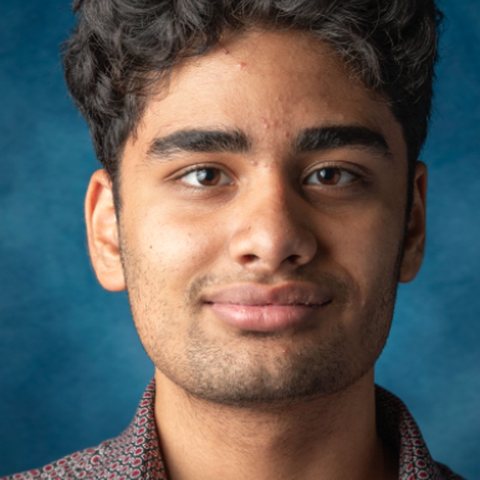

"Before the Accelerator, I had submitted around 100 applications as a freshman with no internships and still had zero interviews. The program helped me fix the real bottlenecks: the resume/LinkedIn feedback taught me how to stand out, the referral strategy helped me get 10–12 referrals, and the mock interview prep taught me how to communicate clearly while solving problems. I used those exact techniques in my real interviews and finally landed my first paid SWE internship, it honestly felt like a huge weight got lifted."
Freshman, zero internships, 100 applications, zero real interviews.
Resume/LinkedIn rebuild, referral outreach landing 10–12 calls with employees at different companies, behavioral phrasing coaching.
Aarav landed a paid software developer internship at MRI Software as a freshman, working on AI and automation for their real estate business services, in about 7 to 8 weeks. He got it in March and April, late in the recruiting cycle, which most people would have written off for a first-year student.
Want an internship offer like these?
Book a free coaching call. We'll look at where you are, which companies are realistic for you, and what it would take to get there.


New Grads
Graduating without an offer is more common than people admit. Here's how these new grads turned it around, including offers at Google, Amazon, DoorDash and IBM.


“I was interning at Walmart and had sent about 150 applications for only two interviews. After joining the Accelerator, I used mock interviews to find my gaps, including class design after a failed Amazon interview, and landed a JP Morgan offer within about two and a half months. If I just keep shooting arrows blindly, it won’t hit the target. So I needed a guide.”
He was a senior interning at Walmart when he joined. He had sent about 150 applications and got two interviews, Walmart and Google, and failed Google. His resume had no metrics to show his impact.
He did two or three technical mocks and a behavioral mock with Yvonne, and attended office hours with Peter. He failed an Amazon interview mid-program, and that showed him his gaps in class design and basic system design. He then applied to JP Morgan the day the role was posted.
Arjun landed a JP Morgan offer about two and a half months after joining, after applying the day the role was posted. He also holds a return offer from Walmart Global Tech, which he accepted

I honestly do not know if I could have passed three rounds of interviews at a FAANG company if I didn't go through the Software Engineering Accelerator. I really mean that. It honestly became probably the best investment of my life.
Strong internship at Nutanix, but the return offer never came. Second semester of senior year, applications went quiet. OAs he couldn't crack, parental pressure building, and a market that wasn't being kind to new grads.
The interview framework. Sriram learned a structured, communicative approach to working through technical problems, one that signals maturity and collaboration to interviewers, not just raw problem-solving. He walked into Amazon's three-round process prepared in a way he hadn't been before.
Passed all three rounds. Full-time SWE offer in Bellevue. $129k base, $40k signing bonus, $111k in stock over four years, over $200k total compensation. Referrals to Google, Meta, and Capital One all went cold. Then he passed three rounds at Amazon, on a resume he wasn't even sure was ready. The framework did what the connections couldn't

"Before the Accelerator, I started recruiting late and wasn't confident I'd land the kind of offer I wanted, so I joined to maximize my chances. The biggest game-changer was the mock interviews, I did ~15–20 because I wanted to kill the nerves before the real thing. I got super clear guidance from the coaches on what Google looks for and how they grade, and that helped me prepare the right way."
Had a Meta internship already on his resume but didn't start serious recruiting until joining, wanted to maximize his shot at a top-tier offer rather than settle.
Small but meaningful resume tweaks from a recruiter-coach, 15–20 referrals, and 15–20 mock interviews, enough that interview nerves stopped being a factor.
Faraz passed Google's full interview process, from the online assessment through a behavioral round and three technical rounds, and landed a full-time offer. He only started recruiting at the end of October, and when he recorded he was waiting on team match with an ASAP start date.
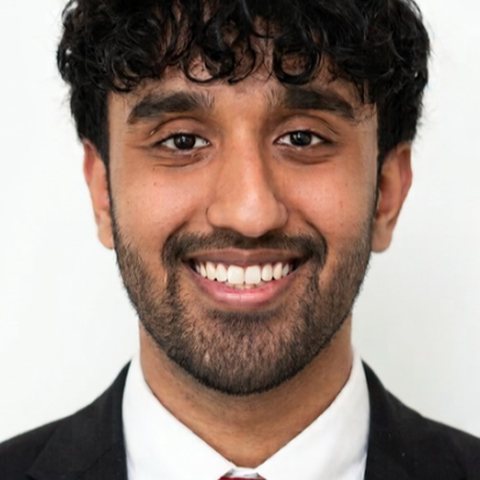

"Before the Accelerator, I spent six months in a different program that got me nowhere: 200+ applications, a weak resume, no real traction. After completely changing my resume and approach, I got an offer from Oracle, which was then rescinded after layoffs. I got back into the search and eventually turned down a return offer from a smaller company for something bigger: a role on DoorDash's Marketplace Consumer Growth Platform team, at roughly $220K total comp package."
Spent 6 months in a competitor program first, 200+ applications, barely anything to show for it.
Full resume rebuild, LinkedIn-driven referral/coffee-chat network built from scratch, real mock interviews with actual Amazon/Bloomberg recruiters and Meta/Microsoft engineers.
Had an Oracle offer rescinded in a layoff round right after signing, went back into the accelerator's process, landed a smaller company's offer via referral, then used it as leverage while DoorDash's process played out, ultimately choosing DoorDash.

A lot of people are hesitant to take that risk. But you've got to think long term. Me now, from six months ago, I've learned so many valuable things I didn't expect to learn going in. You're investing in yourself long term.
UC Riverside CS graduate. Zero internships. Over 100 applications submitted after graduation, with only three or four recruiter screens to show for it. No interviews, no offers and no clear sense of what was wrong.
The referral system. Andy went from getting referrals through friends and family only, maybe ten total, to multiplying that fivefold through strategic cold outreach. Once the referrals were flowing, interviews followed. Then the behavioral prep kicked in and he was ready when they did.
30 interviews. Multiple offers. Negotiated his IBM offer on the spot, from $105k base up to $120k, with total compensation reaching $160k. Getting the offer was one thing, negotiating it up on the spot was another. That's the kind of confidence the accelerator teaches.

"Without the Accelerator, I wouldn't have landed an amazing $100,000+ full-time job offer at J.P. Morgan. Joining was one of the best decisions I've ever made."
Master's in computer engineering (not CS) at UT Dallas. Two internships, both at Texas Instruments and not software-focused. Got turned away by recruiters at career fairs specifically over the missing CS degree.
Followed a structured, incremental LeetCode routine instead of cramming, then did targeted company research and specific practice problems ahead of the JP Morgan interview on direct advice.
Passed JP Morgan's one-day "Super Day" (technical + behavioral) and landed a full-time offer despite the non-CS background that had been costing him elsewhere.
I was unemployed for a year, did a math degree, and had no software engineering experience, yet the Accelerator got me an outstanding full-time SWE offer at Capital One. Joining was one of the best decisions I ever made.
Math degree. Not CS. Unemployed for a year. Zero software engineering experience on his resume. By most conventional measures, not an obvious candidate for a $150k SWE role.
Career switcher positioning, learning how to reframe his background, tell a compelling story, and present himself as a strong candidate despite a non-traditional path. Combined with the technical and behavioral prep, he was ready when Capital One came calling.
Full-time SWE offer at Capital One, $150k a year. Capital One saw what a lot of recruiters would have missed on paper: someone who could think rigorously and adapt fast, even without a CS pedigree. His offer stands as proof that a non-traditional background isn't a dealbreaker, it's a different kind of asset, once you know how to position it
"Before the Accelerator, I was a Cornell grad student who honestly avoided real technical interviews, I was lazily applying and only getting tiny-company offers through my network. After joining, I built a real system: fixed my resume, started applying early, worked referrals, and drilled both technical + behavioral prep through mocks until the nerves went away. I ended up landing a Capital One TDP new-grad SWE offer in Virginia, $123K base + $25K sign-on + ~$5K relocation (about $155K–$160K first year). The Accelerator gave me the structure and reps I was missing."
Cornell grad student in ML. Never job-hunted during undergrad, weak at technical interviews, a failed Palantir behavioral round was his wake-up call.
Prioritized the program over everything else starting in August, 15–20 hrs/week on LeetCode and referrals, sharpened through office hours and mocks.
Aryan landed a spot in Capital One's TDP, a rotational new-grad program for software engineers, based in Virginia. He did it while finishing his master's at Cornell, starting in August when most people have already been applying for months. Capital One doesn't negotiate offers, so the number he signed is the one they open with


"Before the Accelerator, my job search felt all over the place. I was doing LeetCode, applying, and trying to get referrals, but I didn't have a real structure or confidence that I was focusing on the right things. The program helped me organize the process, time-box my prep, get personalized resume feedback, and practice through mock interviews. One of the system design questions I practiced with a coach was almost exactly what I got in the real interview the next day. Within about 20 days, I went from feeling anxious and scattered to landing my EA software engineering offer."
Felt scattered and anxious: doing LeetCode, applying, and reaching for referrals, but with no structure or time-boxing to any of it. Specifically worried the program wouldn't feel personalized to him.
Learned to time-box tasks instead of running on constant anxious guesswork. A mock interview the day before his real EA interview happened to hit almost the exact same system design question.
Filipo landed a full-time software engineer offer at EA, a company he had named as a top target on his very first call, after about 20 days of working with the program. He signed it within a week and stopped recruiting, happy with the team he's joining.


In the 9 months before joining the Accelerator, I had submitted 453 applications without a single interview. After I enrolled I had received over 30 interviews and within only 6 weeks was signing my job offer with Klaviyo. The difference this program made is invaluable.
CS graduate. Spent 9 months sending out 453 applications after finishing his degree. Not a single interview.
Dev wasn't lacking ability, he was missing strategy. Specifically, the referral and outreach system that actually gets applications in front of humans instead of algorithms. Once he learned how to reach recruiters directly, follow up effectively, and build connections that led to referrals, everything shifted.
Six weeks after joining the Accelerator, Dev signed his offer with Klaviyo, a fast-growing, publicly traded marketing automation company based in Boston, at $100k a year. Zero interviews for 9 months. Then 30+ in six weeks, once the applications stopped going into the void.

"Before the Accelerator, I was stuck at entry-level after 3 years of experience, a couple hundred cold applications over a year, zero referrals, almost no responses. I finished the program's modules in my first two weeks and went from zero referrals in a year to four or five in my first month. One of those referrals became my offer: Mid-Level Backend Engineer at Justworks, $150K, up from around $100K at entry-level. My coach even helped me negotiate the number higher. As Ahad put it, "time is money" landing the offer sooner than he would have alone made the program pay for itself. Sometimes you just need external criticism on what you're doing right and wrong."
Applications spread over a year with zero referrals. Resume was "very vanilla," listed technologies used without conveying actual impact or scope.
Rewrote resume around scope of impact/ownership, structured behavioral answers the same way, and went from zero referrals in a year to 4–5 in his first month.
Ahad landed a mid-level backend engineer role at Justworks, moving up from an entry-level position after almost three years in the industry. One of the referrals he got in his first month led straight to the interview, and a coach helped him push back and get more than the first offer.


"Before the Accelerator, I had the experience on paper, but I kept getting stopped in technical rounds and wasn't converting interviews into offers. The biggest shift was learning how to prepare with intention, using mock interviews, slowing down on LeetCode, practicing how to explain my thinking, and getting clearer on how to position my background. That helped me turn the same experience into a much stronger interview performance and land a $110K full-time offer."
Already had 3 internships and was getting interviews, but kept failing technical and system-design rounds.
Switched from grinding LeetCode volume to depth, one problem fully understood before moving on, plus cold LinkedIn outreach and realistic mock-interview pressure.
Zachary landed a full-time remote role as a supply chain systems consultant at Vidian, starting in April, a month before he graduates. He'll work with big brands like Nike, Adidas and Starbucks, with 20 to 30 percent travel. It came after a December trip to San Francisco, where a startup flew him out for interviews, showed him he could aim higher.
Graduating without an offer yet?
Most of the people above started with hundreds of applications and zero interviews. A free call is the fastest way to find out what's actually broken in your search.
International Students
Visa sponsorship and unfamiliar hiring processes make this path uniquely hard. Here's how these international students broke through anyway, including offers at Google, Amazon and Tesla.
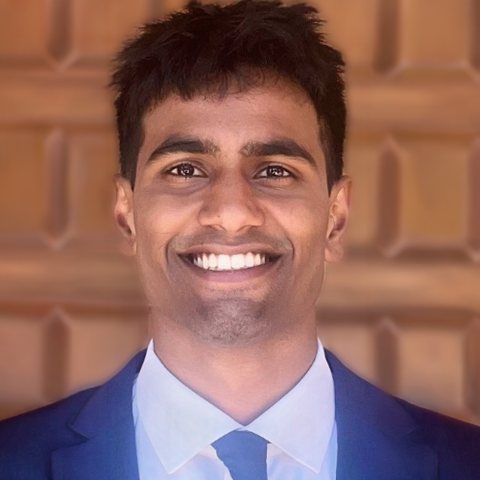
I joined as a college junior with no internship experience and ended up landing an offer at Google by the end of my senior year as an international student. This wouldn't have been possible without the accelerator. What it provides is the guidance, structure, and accountability you need, especially if you're willing to put in the work.
Joined the Accelerator as a college junior with no internship experience and the added complexity of navigating the process as an international student.
Two years of consistent work inside the program, building the foundation, iterating on the resume, developing interview skills, and using the community and coaching to stay on track through a long and sometimes discouraging process.
New grad offer at Google. Anish didn't get there through a shortcut; he got there by treating the long game as the strategy itself. Google is what patience and structure look like when you actually see them through.

"I was an international masters student with very little experience, had submitted hundreds of applications, and really had no results. However, through the Accelerator, I landed an outstanding full-time offer at Amazon. Super happy with my outcome and result!"
International master's student from India (University of Florida), ~6 months post-grad. One co-op on his resume, ~500–600 applications, and dealing with health issues that hit his motivation hard.
Rebuilt his resume around what actually gets noticed, then built out a structured behavioral "playbook" (STAR + follow-up answers) and prepped low-level design from scratch: a document detailed enough that it carried him through Amazon, a Microsoft contract interview, and impact.com.
His first Amazon interview fell through when the team hired internally instead. Six months later, he interviewed with Amazon again, same account and this time it converted into the offer.

Joining Aman's accelerator genuinely changed how I approached the process. If you're an international student or just someone who feels lost in the recruiting maze, as long as you are willing to put in the hard work and proactivity, this is worth it. Aman built something genuinely useful here.
International student at the University of Michigan navigating one of the hardest recruiting seasons in recent memory. Bad market, no big tech connections, visa sponsorship requirements making everything harder, and the constant anxiety of not knowing if his applications were even landing.
The full picture, not just LeetCode prep, but resume positioning, recruiter communication, networking strategy, how to tell his story, and how to follow up without burning bridges. The community gave him a group of people sharing leads and supporting each other through rejections.
SDE Android Internship offer at Amazon. An Amazon offer as an international student, in one of the toughest hiring years in memory. This is proof that the process works even against the odds.

"As an international student, I was really struggling to land a software engineering internship. Yet, after working with the Accelerator team, I was able to land three amazing offers and one at Amazon! This program completely changed my life."
Master's student (previously UC Berkeley, now Sophia University), international student. 400–500 applications, next to zero interviews, no name-brand companies on his resume, even worked an unpaid internship just to have something.
Rebuilt his resume around what ATS, recruiters, and engineers each actually look for. Used the referral system (LinkedIn + Blind) and landed ~20 referrals in two weeks. Ran 4 mock interviews, building a 30-page behavioral prep doc.
Recruiters from Amazon, DigitalOcean, and a YC-backed startup started reaching out unprompted by week 3–4, as an international student, that's the hardest crowd to get attention from.


"Before the Accelerator, I had strong experience from Nepal, but in the U.S. job market I was getting zero responses and wasn't even landing OAs. The biggest unlock was rebuilding my resume with coaches who knew what recruiters look for, then using technical mocks to build real confidence for interviews. That process helped me go from almost giving up to landing a Tesla internship at $58.89/hr, plus housing and relocation support."
International master's student from Nepal (Univ. of Central Missouri), 4+ years of prior programming experience, yet got zero traction, not even OAs, and missed the whole recruiting cycle initially.
The resume rewrite was the real unlock, OAs started immediately after. Recovered mid-interview from a wrong technical approach, which built lasting confidence.
Roman landed a Tesla internship on the performance and scalability infrastructure team at the Fremont factory, running May 18 to August 7. He turned down an earlier low-paying offer to hold out for it, and Tesla came in above the posted rate with housing, relocation and a free shuttle included.


"Before the Accelerator, I had no internships, no hackathons, no clubs, nothing on my resume. I also had no referrals or network and am an international student which makes things even more difficult. And just 6 weeks into the program, I was able to land an amazing 8-month paid software engineering internship offer at MacroHealth."
International student in Canada, final year: zero internships, zero hackathons, zero personal projects, no referral network at all.
Executed everything he was told, then doubled it, repeating outreach tactics 5x over. Landed an unpaid internship within days of joining, then built from there.
Jason started the program hoping to land an unpaid internship by the end of summer. Instead he got an eight-month paid software engineering co-op at MacroHealth, a remote role, six weeks in and before he'd even finished the program. It covers him through to next summer's recruiting, so he can keep applying with a job already on his resume and without the financial pressure.
On a visa and running out of time?
Sponsorship, OPT deadlines, unfamiliar hiring norms. We've helped international students through all of it. Book a free call and we'll map out your path.
Canadians
A smaller market, different hiring norms, and the constant question of whether to go south. Here's how these Canadian students and grads landed offers on both sides of the border.

“I was a working engineer getting interviews but failing them, with no clear idea what to prepare for. Mock interviews with coaches who had been through the same situation showed me where to focus, and when Microsoft made an offer, my coach advised me to ask for more and they said yes. It was a pretty big return on investment.”
He was a working engineer who got interviews but kept failing them. Most came from recruiters finding him on LinkedIn rather than from his own applications. He couldn’t tell what he’d be asked, whether data structures questions or job-specific knowledge, so he didn’t know how to prepare.
For the first 20 days of each month he did one LeetCode problem a day, about two applications a day, and 10 to 20 LinkedIn outreach messages for referrals. Calls with Peter showed him what difficulty level to aim for instead of burning time on the hardest problems. A referral from someone in the program got him a Google interview.
“He landed a Microsoft offer and nearly accepted it straight away, but a coach advised him to ask for more, and Microsoft agreed. He says the negotiation alone made the program a big return on investment.”
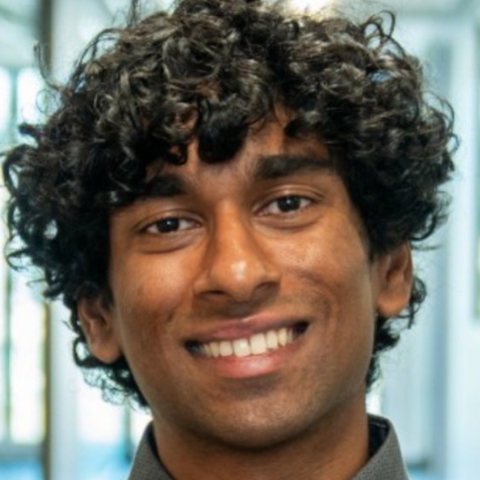

TLDR: I got the 6-figure role, so it does work. If you keep putting in the work, it will pay off. Of course luck plays a role, but you'd want to maximize your skills over luck.
University student who knew the job market but struggled with having the right structure and accountability to break through consistently.
The Accelerator gave him a clear process and held him to it. The first two months were the most intensive, interview prep, resume work, understanding what companies actually expected from candidates. He put in the work and stayed consistent.
6-figure new grad SWE role at Bloomberg, secured within 5–6 months. Aaravan already understood the market, what he lacked was the structure to turn that understanding into offers. Two focused months rebuilding his process, then staying consistent with it, was the difference between knowing what to do and actually doing it. Bloomberg is the proof: preparation beats luck when you put in the reps.


"I had submitted tons of applications before joining the Accelerator and had no luck, even as an active software engineer. After joining, I landed multiple interviews and several offers in just a few months. This program was 100% worth it!"
Online CS degree, working as a software developer at Accenture (Canada), unhappy in the role. ~100 applications total, barely any traction.
Resume rewrite with direct recruiter feedback, referral outreach landing connections at Mastercard and Amazon, structured behavioral prep.
Frederic, an active software developer who had never gotten past online assessments, landed an offer at a bank that raised his salary by $20,000 just two months after joining. He walked away with a stronger resume and long-term referral contacts at companies like Mastercard and Amazon
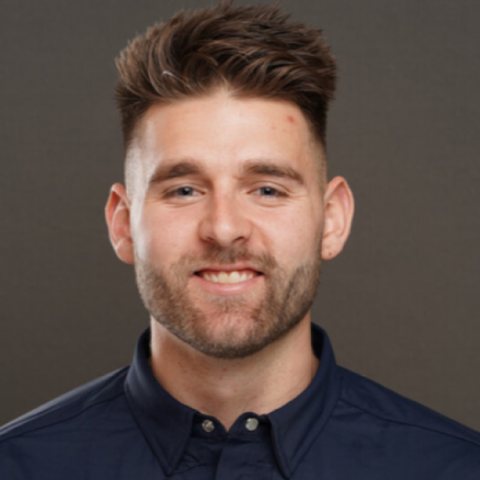

"Before the Accelerator, I was doing cold applications with no real plan. Then someone in the community connected me to the right person and I had my first interview within 24 hours. When it came time to negotiate, I had expert help in my corner and raised my offer by 12%. I ended up landing a $180K base salary + 1.5% equity as employee #2 at a startup. The biggest shift was realizing I didn't have to do this alone, I just had to leverage the right people and process."
Senior SWE at a Fortune 500 SaaS company for 4 years, structured environment, cold-applying with no real plan. The company had mass layoffs that spring, which pushed him to want to be making the career decision himself instead of reacting to one.
Did the LeetCode/DSA refresher precourse, then worked closely with a recruiting expert on negotiation, pushed back on a verbal offer in the room, even though it felt awkward.
Negotiated his base up 12% on the spot, landing as employee #2 at an early-stage SF startup exactly the startup + San Francisco combo he wanted.,


"Before the Accelerator, I was heading into my final year of school and hit a rough patch: past internships fell through, and a strong summer went by without landing anything. I ended up in a government internship that fall, which wasn't a great fit either. The Accelerator helped me rebuild my LinkedIn, structure my behavioral answers using the STAR method, and sharpen my outreach. I landed a one-year contract role through TCS, placed at Bank of Montreal, starting around $83K, with the possibility of extension or conversion to permanent."
Final year, an expected internship return fell through, left with only a mediocre government internship. Previously relied on lucky cold applications, which stopped working.
Full LinkedIn build from nothing (no photo, no description), structured STAR-based behavioral prep.
Ahmad landed a one-year contract through TCS, placed at Bank of Montreal, with the chance of an extension or conversion to a permanent role if he performs. It came after a final year where his past internships fell through and he'd had to settle for a government placement.
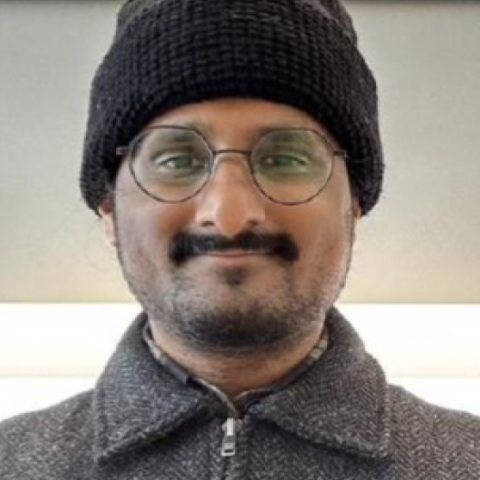

"After getting let go from my last role, I realized I couldn't keep trying to figure everything out alone. The Accelerator helped me rebuild the way I approached the search, from my mindset, to my LinkedIn and resume, to how I prepared for interviews and negotiated. I went from feeling stuck and unsure of my next move to landing a $145K developer role in New York. I'm glad I asked for help when I did, because I don't think I would've reached this outcome without the Accelerator."
Let go from a fintech contractor role after just 6 weeks, a "gut punch" that followed an already difficult prior job search. Self-described lifelong skepticism was the real barrier.
Committed fully instead of half-in, leaned on blunt/unfiltered mock interview feedback, built a monthly structure (20 applications/20 LeetCode/10 referrals).
James accepted a developer role at the NYC Jobs CEO Council, a New York nonprofit backed by CEOs from companies like Google, Amazon and IBM. They hired him to build out their technology platform. He countered their first offer and they met him in the middle, after a coach confirmed his approach to the negotiation.
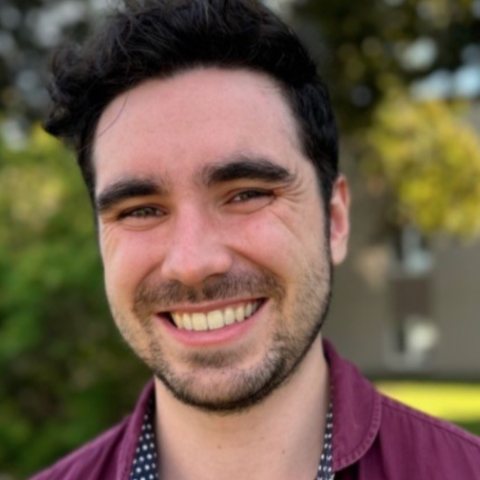
"I spent years studying biomedical engineering and yet the Accelerator still got me an outstanding software engineering internship in less than 8 weeks. I'm super happy with my result and progress!"
Started in biomedical engineering, switched to electrical engineering with CS minors after realizing tech was the better fit, effectively built his own double major. First internship attempt failed from poor planning and unfamiliarity with the process
Rebuilt his resume to present thin experience compellingly (even listing a course he'd started days earlier, which became an actual interview talking point), pushed through referral-outreach nerves, and kept refining through mocks even after early ones went well.
Laurier landed a year-long software engineering internship at Ericsson working on 5G baseband development, a role that sits right where his electrical engineering and computer science interests meet. He got there in under eight weeks, with no prior CS internship and after starting out in bioengineering.
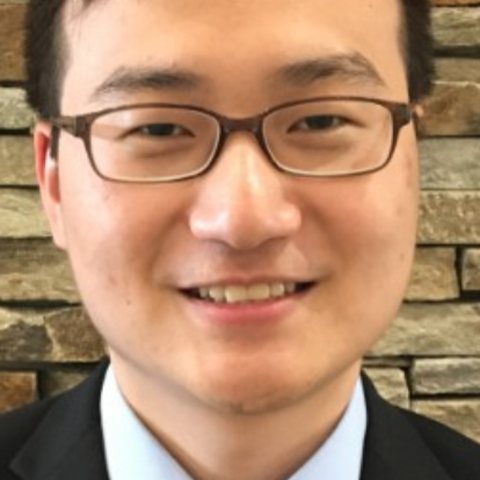

"Before the Accelerator, I had submitted around 500 applications on my own and landed only one or two interviews. After being laid off and briefly trying a role at Accenture, I enrolled within two weeks of quitting. Yvonne called my first mock behavioral answer "horrible" and made me rework it, that same answer came up almost word-for-word in my real interview. Just five weeks into the program, I had an offer as a Software Engineer at Lighthouse: $135,000 base plus a $5,000 sign-on bonus. You have to leverage your network, people will help you even if they're strangers."
Previously laid off, took another role and quit after 2 weeks over fit, ~500 applications with only one or two interviews.
A mock behavioral answer was flagged as flat-out not working — he reworked it until it passed. The real interview later asked the exact same question almost word for word.
Bahdah landed a software engineer role just five weeks after joining, on a conditional offer, and he'd already started the job when he recorded. The hiring manager asked him the same behavioral question he'd reworked in a mock interview, and one of his practice LeetCode problems came up in the technical round.
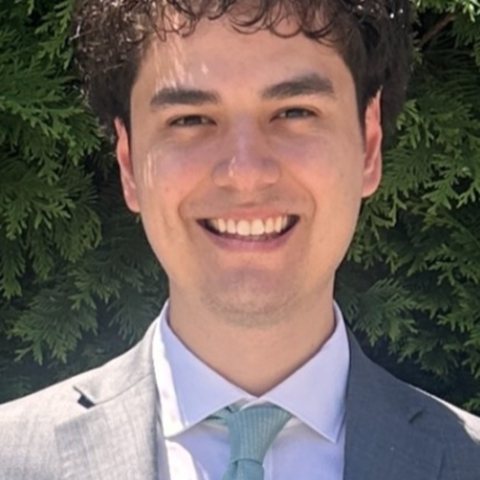

"Before the Accelerator, I was a Software Engineer II at Walmart who got laid off and spent 7–9 months submitting around 1,500 applications with no results. After Aman's team helped me overhaul my resume and push back into my existing network, "the companies were coming flying." I ended up with two offers at once, Peraton and Actifai and used one to negotiate the other into a stronger package worth roughly $118K-$120K base. Turns out I wasn't doing anything wrong. I just didn't know the game."
Laid off from a Walmart SWE II role, 1,500 applications over 7–9 months with barely any response despite real experience.
Resume tweaks from a recruiter-coach dramatically boosted response rate, leaned on his own professional network for referrals.
Christian landed two offers within days of each other, a federal government role at Peraton and a software engineer role at the AI startup Actifai in Washington DC. He used the Peraton offer as leverage to negotiate Actifai's, and both offers came through referrals from his own network.


"In about two and a half months with the Accelerator, I went from feeling lost in the U.S. hiring process, anxious about interviews, and scared to even open LeetCode to landing a remote full-time AI engineering role at Intelpeer.ai working on interactive voice response. The resume and LinkedIn revamp plus the structured interview prep made the difference and turned a stressful job search into a life-changing opportunity."
Filipino immigrant, hadn't interviewed in the U.S. in over a decade. Company was losing a major client, colleagues already being let go, a year of solo applying had gone nowhere.
Religiously worked every module, rebuilt resume/LinkedIn, pushed through real fear of LeetCode and public speaking via mocks.
Micah landed a remote full-time AI engineering role at Intelpeer.ai, working on interactive voice response, after a recruiter reached out within weeks of her LinkedIn overhaul and calls started flooding in. She went through three interview rounds and accepted about two and a half months after joining, well ahead of the six months she had expected it to take.


"Before the Accelerator, I was a second-year software engineering student at McGill and had submitted around 60 applications without landing an internship. I joined for the discipline and structure I was missing: my resume, LinkedIn, and job search were disorganized. Mock interviews, especially the behavioral sessions, were the most valuable part for me; they helped me get past my shyness and learn to promote myself. I secured my offer through a cold application: a 16-week, full-time software engineering internship at Rocket Lab in Toronto, working on star trackers and reaction wheels, at $30/hour CAD plus a $2,400 relocation stipend."
Second-year software engineering student at McGill (same track as fellow student Laurier, who referred him). ~60–70 applications, zero interviews.
Full resume rewrite with professional feedback, mock interviews built an elevator pitch he didn't have before.
Andres landed a 16-week software engineering internship at Rocket Lab in Toronto, working on star trackers and reaction wheels, through a cold application. The interviewers told him afterward that he had impressed them with how clearly he explained concepts.


"The Accelerator showed me that landing a software engineering job isn't impossible - even without a CS degree, just self-studying programming. It's all about following a proven system. Thanks, Aman, I'm so glad I joined!"
Never finished a CS degree — switched majors mid-university. One prior SWE internship, then freelance/contract work. 70–100 full-time applications, zero interviews.
Fully rebuilt resume and LinkedIn (took 2–3 weeks to get right), switched from cold-applying to targeted "sniper" outreach, joined a peer LeetCode accountability group.
Thomas landed a back-end developer contract with Core FX Ingredients in Illinois and negotiated his hourly rate up from his previous internship. The program paid for itself within about two weeks of him starting


"After graduating in Canada, I had applied to 100+ companies and was getting stuck at the online assessment stage because I didn't have a strong LeetCode/interview process. Inside the Accelerator, I rebuilt my resume and LinkedIn, started reaching out for referrals, and got real technical + behavioral mock interview practice with the coaches. One referral turned into an interview almost immediately, and the mocks helped me stay confident and keep explaining my thought process during real interviews. That consistency helped me land a full-time software engineering offer in Canada, and now I have a system I can keep using to level up even further."
CS grad from York University with one prior internship, applied casually post-grad with no real urgency, then got serious. 100+ applications, several OAs failed from a weak LeetCode foundation.
Worked through every module in December before applying, one LinkedIn referral turned into an interview the next day, narrated his thinking out loud through a 2-hour coding round even when stuck.
Pritam landed a full-time software engineering role at Mad Elevators after a two-hour coding interview with senior managers, where he kept talking through his thinking even when he got stuck on part of it. He came out of the job search with interviews at five or six companies, including Bank of Montreal through a referral, and picked Mad Elevators.

"After being laid off just three months into my first role and sending 200+ applications with almost no interviews, I felt completely stuck. By following the Accelerator's resume revamp, networking playbook, and interview frameworks, I finally stood out and landed a software engineering job at a Minneapolis startup just 45 minutes from home, easily one of the best decisions I've made."
Landed a job via recruiter without applying, laid off 3 months later. 200+ applications after, including AI-assisted mass-applying, none of it worked.
Cut blind applying, put in 30–40 hrs/week on the program, shifted toward being found by recruiters, drilled STAR through mocks.
Randy went from no job to a permanent junior full stack role in a single day. He applied late on a Tuesday evening and had the CEO's interview request the next morning. He interviewed with the whole dev team and had the offer about two and a half hours later, with no technical round, because they could see he already knew their tech stack.
Job hunting from Canada?
Whether you're aiming for Toronto, Montreal or a US offer, the playbook is different and we've run it before. Book a free call and we'll tell you what's realistic for you.

Questions people ask before booking a call
Straight answers to the questions we hear most about the Software Engineering Accelerator and the results on this page.
Is the Software Engineering Accelerator legit?
Yes. This page documents 50+ student results, each with a video interview, the company, the offer and the compensation, and most link to the student's LinkedIn profile and Trustpilot review. The program is rated 4.5 on Trustpilot across 74 reviews and offers a results-based guarantee for participants who meet all program requirements.
What kind of offers do students get?
Internship offers on this page range from about $28/hr to $70/hr at companies including Amazon, Microsoft, LinkedIn, Adobe, Scale AI and Capital One. New grad offers range from about $100K to $220K total compensation at companies including Google, Amazon, DoorDash, IBM and Capital One.
How long does it take to get an offer?
The stories on this page range from six weeks to about eight months. Most internship results came within a single recruiting cycle; full-time new grad searches typically took longer.
Does it work for international students and Canadians?
Yes. International students in the program have landed offers at Google, Amazon and Tesla, and Canadian students have landed offers on both sides of the border, including Bloomberg, Rocket Lab and Bank of Montreal. Both groups have their own sections above.
How is this different from a coding bootcamp?
The Accelerator does not teach you to code. It works with CS students, recent grads and working engineers who can already code but are not getting interviews, and fixes the job search itself: resume, referrals, LinkedIn, mock interviews and 1:1 coaching with engineers and recruiters from top companies.
Are these reviews real?
Yes. Every story is a real past client, most recorded on video and linked to the student's LinkedIn profile and public Trustpilot review. Some testimonials may have been incentivized with discounts or bonuses in exchange for feedback, and individual results vary.

Complete This 2-Min Form To Book Your Free Career Coaching Call
Your answers will remain completely confidential and are used to prepare a strategy for you prior to the call.